
Self-care ideas for mental health that include writing and reflection give people an immediate entry point into better mental balance because they create structure, clarity, and a private space to process feelings. Simple, steady habits like journaling, guided prompts, and short reflective check-ins can ease stress and strengthen emotional steadiness at any age in Colorado Springs, CO.
Picture someone stepping into a quiet cafe after a long week, settling into a corner seat with a notebook that has not been opened in months. A few lines scribbled on the page begin to calm the noise in their mind, and the act of naming what feels tangled starts shifting the day.
Many report that small writing rituals act as a grounding rhythm during demanding seasons of life, especially when they're looking for gentle ways to regain focus and emotional steadiness.
How to Start a Journaling Practice for Mental Clarity?
Starting writing therapy for seniors becomes much easier when the setup stays simple, and the focus stays on clarity rather than perfect writing. Many seniors feel more comfortable when journaling feels like a quiet check-in rather than a long task. A small notebook and a predictable moment in the day are often enough to set the tone.
Choosing a gentle structure helps remove pressure. Some people start with a morning note that captures how they slept, what feels steady, and what they hope the day brings. Others prefer an evening reflection that looks back on small wins, comforting interactions, or moments that felt confusing.
Journaling becomes a source of clarity when the practice feels personal rather than formal. Seniors often enjoy combining reflection with small routines they already love as part of reflective aging support, such as:
- Sitting near a window with natural light
- Brewing a warm drink
- Taking a quiet moment after breakfast
- Listening to soft instrumental music that sets a calm mood
- Keeping a favorite pen or notebook that feels comfortable to use
What Are Reflection Prompts for Mental Health?
Reflection prompts give seniors an easy starting point when they want to write but feel unsure about what to put on the page. These prompts guide attention toward emotional steadiness, personal insight, and calm self-awareness. Many older adults find that prompts help shift focus away from stress and toward clarity, which makes the writing process feel natural rather than forced.
Prompts often work best when they explore small, meaningful moments. A reflection might begin with a simple question about what brought comfort today or which interaction felt surprisingly warm or encouraging.
Another prompt might invite someone to think about a challenge they handled well or a piece of wisdom they relied on. These gentle questions help uncover patterns, validate strengths, and remind seniors of the tools they already carry.
Making Better Decisions With Journaling
Journaling helps seniors make better decisions because it slows the pace of thinking and gives each choice space to unfold on the page. Many people notice that options feel clearer once they write them down.
The simple act of naming a concern or outlining a possibility creates distance from stress, which leads to calmer, more thoughtful choices. This approach works especially well during moments of uncertainty, shifting routines, or major life transitions.
A decision-focused entry often starts with listing the options at hand, followed by a few honest notes about how each one feels. Seniors might reflect on what seems manageable, what might add strain, and what supports their well-being.
This kind of writing uncovers emotional reactions that are easy to ignore in conversation or in fast-moving situations. It also reveals personal values that guide steady decision-making.
Over time, journaling becomes a private sounding board that helps seniors stay aligned with what matters most.
Frequently Asked Questions
What Are Ways to Improve Mental Health?
Practical habits can make a noticeable difference in mental health, especially when routines shift in senior living communities.
Regular movement clears tension and sharpens focus. The following activities support better sleep and calmer moods:
- Light walks
- Gentle stretching
- Small group classes
Short writing sessions give thoughts an area to land. A quick journal check-in or a simple memory note can bring clarity on crowded days.
Social connection restores energy. These opportunities build belonging and lift spirits:
- Shared meals
- Hobby groups
- Conversation circles
- Community events
Mindfulness slows the pace. Breathing exercises or brief reflective pauses ease stress before it builds.
Creative outlets revive curiosity. Consider these refreshing ways to shift attention away from worry:
- Painting
- Music
- Crafting
- Photography
- Storytelling
How Can Writing Strengthen a Sense of Purpose Later in Life?
Writing as part of emotional care routines strengthens a sense of purpose later in life because it gives seniors a clear avenue to reflect on what matters, articulate their values, and see how their experiences continue to shape the world around them.
Many people find that placing their thoughts on paper reveals patterns of growth, resilience, and contribution while journaling for clarity. This clarity often renews motivation and reinforces the feeling that their story still carries weight.
A steady writing routine also helps seniors recognize how their choices, skills, and wisdom influence others.
What Group Writing Activities Work Well in Senior Living Communities?
Group writing activities work well in senior living communities when they feel inviting, low-pressure, and social enough to spark conversation without overwhelming anyone. Many residents enjoy simple formats that let them share ideas at their own pace while still feeling part of something creative.
Communities often see strong engagement when activities include a mix of storytelling, memory sharing, and gentle prompts that bring out each person's voice for mental wellness in aging.
You can try:
- A themed story circle
- A collaborative community journal
- A memory-sharing workshop
- A poetry or haiku hour
Self-Care Ideas for Mental Health: Experiment Today
Try out a few of these self-care ideas for mental health, and see what works for you.
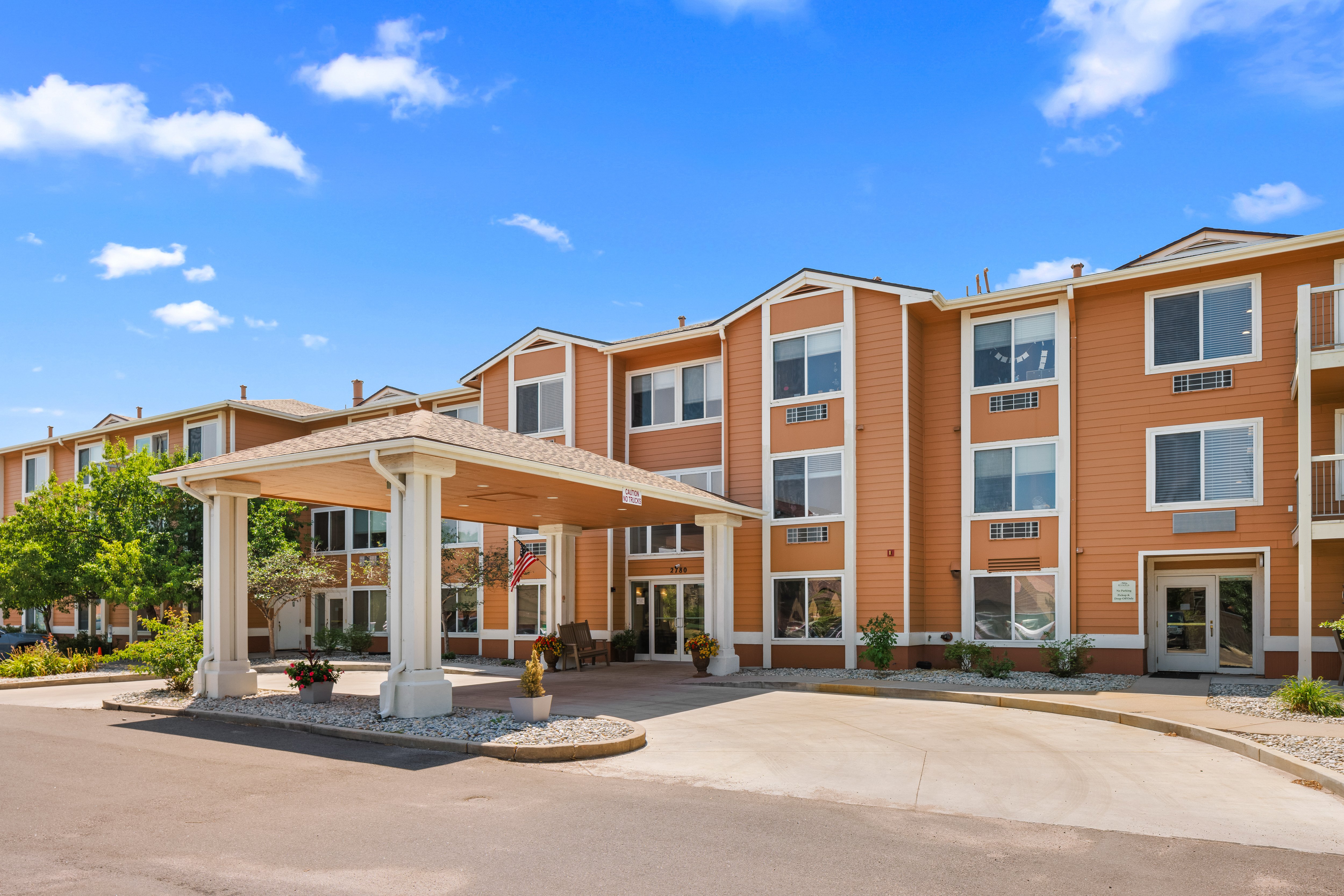
Rivaria Vista Grande offers a setting where quiet corners, thoughtfully designed common areas, and a full calendar of enriching programs create room for calm moments of writing, journaling, and personal reflection. Residents enjoy chef-prepared meals, outdoor walking paths, and the Vibrant Life program, all designed to help each day feel steady and meaningful.
Schedule a tour of Rivaria Vista Grande and see how your next chapter can begin in a community built for purposeful living.