
Summary
Families often wonder whether assisted living can provide appropriate support for a loved one living with dementia, and the answer depends on the person's stage, support needs, and safety considerations. Discover what to look for when evaluating whether assisted living is a good fit for your loved one.
- Assisted living may be appropriate for people in early dementia stages who benefit from help with daily routines, medication management, meals, and social opportunities while maintaining community participation
- Specialized memory care becomes necessary when safety concerns, frequent wandering, difficulty following directions, or advanced behavioral needs require a level of supervision that assisted living cannot provide
- The key difference between assisted living and memory care is the level and type of support—assisted living helps with daily activities, while memory care is specifically designed for people living with dementia
- When touring communities, ask about personalized support, how changing needs are evaluated, and what options exist if care needs advance beyond what the community offers
- Regular conversations with healthcare providers help families reassess needs over time and plan ahead for potential transitions to more specialized care
Families often wonder whether assisted living can provide appropriate support for a loved one living with dementia. So, can people living with dementia live in assisted living? In some cases, yes. The answer depends on the person’s dementia stage, daily support needs, safety considerations, and what a particular community can provide.
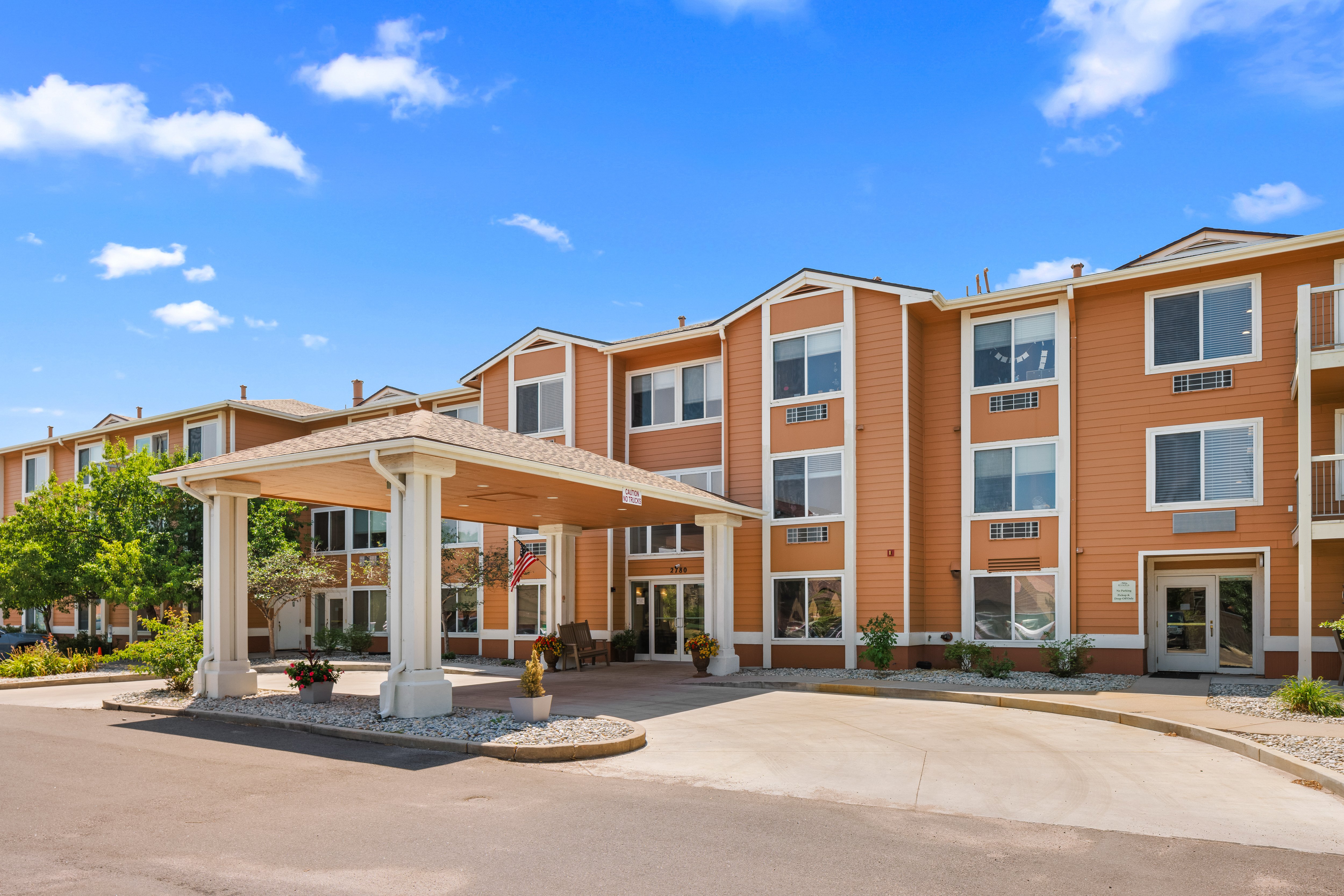
Rivaria Vista Grande offers Assisted Living in Colorado Springs, Colorado, with personalized assistance for daily routines. Because every person’s experience with dementia is different, families should consider current needs carefully and discuss whether assisted living is an appropriate fit.
Understanding Dementia Care in Assisted Living
For someone in the early stages of dementia, assisted living may provide helpful structure and assistance while allowing them to continue participating in community life. Assisted living for people living with dementia may include support such as:
- Medication management and assistance with personal routines such as bathing and dressing
- Nutritious meals, housekeeping, and scheduled transportation
- Social opportunities and structured programs that add consistency to the day
At Rivaria Vista Grande, Assisted Living residents have access to associates who provide respectful support with everyday routines. Residents can also enjoy Vibrant Life®, which offers programs and optional outings based on individual interests, preferences, routines, and abilities. Elevate® Dining provides freshly prepared meals in a comfortable, restaurant-style setting.
Families considering dementia care in assisted living should ask how a community evaluates individual needs, what assistance is available throughout the day, and whether the environment is appropriate for their loved one’s current abilities.
When Assisted Living Can Be an Appropriate Choice
Understanding dementia stages and assisted living can help families determine when this setting may be appropriate. Someone experiencing mild cognitive changes may benefit from predictable routines, assistance with Activities of Daily Living (ADLs), and regular opportunities for connection.
Rivaria Vista Grande is an intentionally designed Assisted Living community. Residents have comfortable apartment homes and access to services such as housekeeping, scheduled transportation, Health & Wellness resources, and welcoming shared spaces. These features can simplify daily routines while providing personalized assistance.
The community’s Vibrant Life® program also gives residents opportunities to choose programs based on their interests and abilities. For families, the key is determining whether the individual can participate comfortably in an assisted living environment without requiring the specialized setting associated with memory care.
When Dementia May Be Too Advanced for Assisted Living
There is no single point when dementia is too advanced for assisted living. Needs can change differently for each person. However, families may need to explore a more specialized setting when safety concerns or cognitive changes require a level of supervision that an assisted living community cannot provide.
Signs that it may be time to discuss additional support can include:
- Frequent wandering or difficulty recognizing potentially unsafe situations
- Increasing difficulty responding to directions or navigating familiar surroundings
- Behavioral or personal support needs that require more specialized supervision
Families should discuss changing needs with healthcare providers and the senior living communities they are considering. A thoughtful assessment can help determine whether assisted living remains appropriate or whether specialized memory care should be explored.
Assisted Living vs. Memory Care for Dementia
The difference between assisted living vs. memory care for dementia generally comes down to the level and type of support a person needs. Assisted living is for people who need help with daily routines such as dressing, bathing, mobility, or medication management. Memory care is specifically designed around the needs of people living with Alzheimer’s disease and other forms of dementia.
Memory care communities may provide features such as:
- Safety-enhanced environments designed around cognitive changes
- Specialized dementia-focused programming and daily routines
- Associates or caregivers with training specific to dementia support
Rivaria Vista Grande does not offer memory care, so families should not assume a resident can automatically transition to that living option within the community if needs change. Instead, ongoing conversations about changing needs can help families plan ahead.
Choosing the Right Support for Your Loved One
Deciding whether assisted living is appropriate for someone living with dementia requires an individualized look at daily routines, cognitive changes, personal support needs, and safety.
When touring a community, ask how associates provide assistance, how changing needs are evaluated, and what happens if a resident eventually requires support beyond what the community provides. At Rivaria Vista Grande, families can also explore the apartment homes, refreshed common areas, Elevate® Dining experience, and Vibrant Life® programming to better understand everyday life.
The question of whether people living with dementia can live in assisted living does not have a one-size-fits-all answer. For some people in earlier stages, the right assisted living environment can provide valuable structure, connection, and everyday assistance. As dementia progresses, regularly reassessing needs helps families determine when a different level of support may be appropriate.
Schedule a tour of Rivaria Vista Grande to explore and discuss whether the community can meet your loved one’s current needs.