
Colorado Springs seniors can beat the winter blues by staying active, eating well, and keeping social connections strong. Cold weather and shorter days may bring challenges, but healthy daily habits can support both body and mind throughout the season.
When the snow falls and the temperatures drop, it is easy to feel isolated or sluggish. Imagine a senior who starts each morning with light stretching and finishes the day with a warm meal shared among friends. Suddenly, winter feels less daunting and more rewarding.
We can help. Let's go through how seniors in Colorado Springs, CO, can beat the winter blues.
Choosing a Diet for Seasonal Affective Disorder Support
Winter eating habits can directly influence how the body and mind respond to shorter days. Seniors who build their meals around nutrient-dense foods often find it easier to maintain steady energy and a more positive outlook.
Complex carbohydrates encourage the brain to release serotonin. Examples include:
- Oats
- Brown rice
- Quinoa
- Sweet potatoes
- Whole wheat bread
Protein is equally important during the colder months. Options like:
- Lean poultry
- Beans
- Lentils
- Greek yogurt
Help maintain muscle strength and fuel daily activities. When paired with fresh seasonal produce, these proteins create meals that feel satisfying without being heavy. Spices such as turmeric and ginger can be added for flavor while offering anti-inflammatory benefits that promote overall wellness.
For seniors who may not always feel hungry in winter, smaller, frequent meals can be a helpful approach. The following can keep nutrition levels steady throughout the day:
- A bowl of vegetable soup at lunch
- A handful of afternoon nuts
- A smoothie made with leafy greens and fruit
- A slice of whole-grain toast with avocado
- A cup of Greek yogurt with berries
This rhythm reduces sluggishness and helps prevent the dips in mood that can accompany long periods without eating.
What Vitamin Should I Take for Winter Blues?
Vitamin D is most often recommended for easing the symptoms of winter blues, since reduced sunlight in colder months can lower the body's natural production of this essential nutrient.
Adequate vitamin D supports bone health, immune function, and mood regulation, making it especially important during the darker days of winter. Some people also find benefit from B vitamins, which support energy and brain health, or omega-3 fatty acids, which have been linked to improved emotional balance.
Can Exercise Help With the Winter Blues?
Regular physical activity is one of the most effective natural ways to reduce the effects of the winter blues. Assisted living activities stimulate endorphin release, which can improve mood and lessen feelings of fatigue or sadness.
Exercise also helps regulate sleep patterns, something that often becomes disrupted when daylight hours are shorter, giving seniors a stronger foundation for both physical and emotional health.
For older adults in Colorado Springs, winter weather does not have to be a barrier to staying active. These provide safe and accessible options:
- Indoor walking programs
- Chair yoga
- Tai chi
- Group fitness classes
Even light stretching or resistance band workouts can deliver noticeable benefits. The key is consistency. Scheduling activity throughout the week helps create structure.
Outdoor exercise can also be valuable when conditions allow. A walk on a clear, sunny afternoon not only gets the body moving but also provides natural light exposure.
Socializing
Maintaining social connections is one of the most effective daily mood boosters. When days grow shorter and cold weather makes it harder to get out, seniors may find themselves spending more time alone. That can make anyone feel isolated.
Making a conscious effort to stay connected helps preserve winter wellness for seniors, encourages laughter and conversation, and provides a sense of belonging during the darker months.
Small gestures go a long way in building a connection. The following can bring energy and joy into the season:
- Sharing a warm meal with neighbors
- Inviting friends over for a movie
- Volunteering together at a local charity
For those who prefer to stay indoors, video calls, online classes, or virtual interest groups can bridge the gap and keep friendships strong.
Frequently Asked Questions
What Are the Four Major Causes of Depression?
Depression often develops through a mix of influences rather than a single source. One major factor is biological, which includes genetics and hormonal imbalances that can affect how the brain regulates mood.
Psychological causes also play a role, such as long-term stress or persistent negative thought patterns that increase vulnerability to low moods. Social circumstances are another important contributor to emotional health in aging, since isolation, lack of support, or the loss of meaningful relationships can heighten feelings of sadness or hopelessness for seniors living in assisted living communities.
Environmental influences also have a strong impact, including:
- Major life changes
- Financial pressures
- Chronic illness
- Seasonal shifts
Is Cold Weather Harder on Older People?
Yes, cold weather often affects older adults more strongly than younger people. As the body ages, it becomes less efficient at regulating temperature, which makes seniors more vulnerable to the chill and at greater risk for conditions such as hypothermia.
Cold air can also constrict blood vessels and put added strain on the heart, which may be especially concerning for those with existing cardiovascular conditions. Stiff joints and reduced mobility during winter can make movement more difficult, and icy sidewalks increase the risk of falls.
What Is the Worst Month for Seasonal Depression?
For many people in the United States, January is considered the most difficult month because daylight hours are shortest and cold weather limits outdoor activity for senior living residents.
Missing the sun causes problems with sleep cycles and reduces vitamin D levels, both of which affect mood and energy. Seniors in Colorado Springs may feel this more strongly, since the combination of high elevation and cold, snowy conditions often keeps people indoors for longer stretches.
Beat the Winter Blues: Start Today
There are so many ways you can beat the winter blues if you put in some effort.
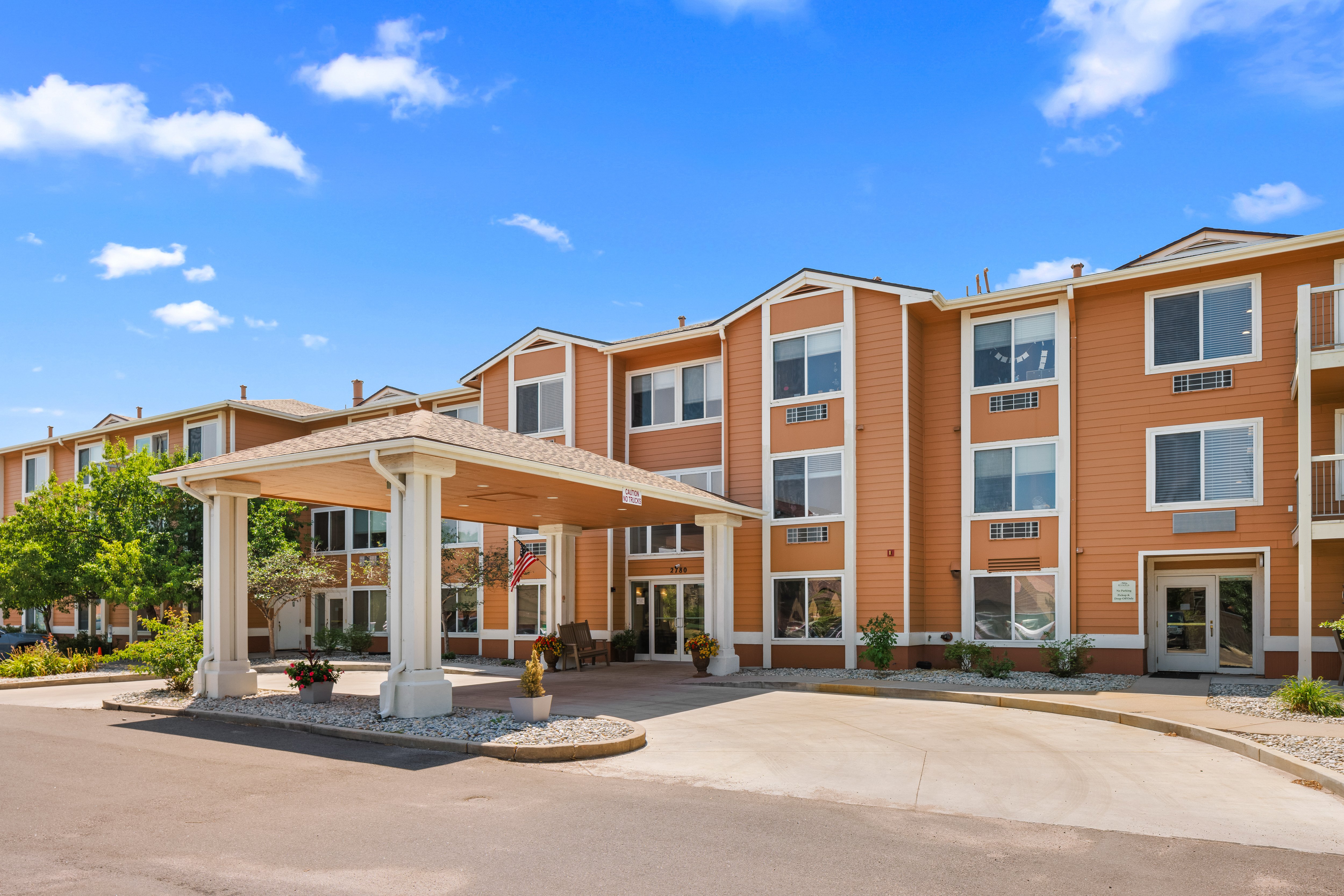
Stay active, connected, and inspired this winter at Rivaria Vista Grande. From our Vibrant Life programs to chef-prepared meals and engaging daily activities, everything we offer is designed to help you live well while keeping the winter blues at bay.
Discover beautifully designed floor plans, personalized care, and a community that feels like home in the heart of Colorado Springs; schedule your tour today.