
Summary
Home care provides valuable support, but when needs shift, recognizing the signs home care is not enough helps families make informed decisions. This guide highlights key indicators that it may be time to explore additional care options in Colorado Springs.
- Declining hygiene and unchanged clothing despite scheduled visits signal gaps between care hours
- Persistent loneliness and social withdrawal suggest home care's task-focused visits don't meet connection needs
- Missed medication doses or confusion about prescriptions indicate insufficient oversight between visits
- Multiple falls or safety lapses show limited supervision leaves serious risks unaddressed
- Wandering or memory confusion in people living with dementia require more consistent oversight than periodic support
Home care helps many older adults stay in their own homes with personalized support. Needs change, though, and an arrangement that worked last year may not be enough now. Recognizing the signs that home care is not enough helps families make clear-headed decisions about a parent’s well-being and safety. Families across Colorado Springs bring these questions to the associates at Rivaria Vista Grande, and the patterns below come up again and again.
Knowing what points to a need for fuller support lets you explore options that match today’s circumstances rather than last year’s.
Declining Personal Hygiene and Appearance
When someone starts to neglect personal care despite having a home care provider, it usually signals a gap in support. You might notice:
- Unwashed hair or a greasy scalp
- Soiled or unchanged clothing
- A living space that’s grown cluttered or dirty
These changes suggest the scheduled hours aren’t covering everything. Home care providers visit in set time blocks that may not line up with when help is actually needed. If bathing or dressing falls at an inconvenient hour, your parent may resist or put it off. That pattern points to a need for more flexible, around-the-clock support.
Personal hygiene affects both physical health and self-respect. When the basics go unmet, it’s worth considering a setting where associates can help throughout the day as needs arise.
Increasing Isolation and Loneliness
Home care providers offer real help, but their visits are task-focused and time-limited. Between visits, many older adults spend hours alone. You might notice your parent seems withdrawn, mentions feeling lonely, or shows signs of low mood.
Social connection supports cognitive health and emotional wellness. When someone spends most of the day alone, quality of life suffers; fewer conversations, shared meals, and meaningful pursuits can lead to a decline in both mental and physical health.
When home care no longer works for social needs, a community with built-in connection can restore a sense of belonging. At Rivaria Vista Grande, Vibrant Life® outings and Elevate® Dining turn the quiet hours between visits into the best parts of the day.
Medication Management Challenges
Managing several medications takes careful attention to timing, dosage, and interactions. Missed or skipped doses, duplicate doses taken by mistake, or confusion about prescriptions are clear signs that current support isn’t sufficient.
Home care providers can give reminders during scheduled visits, but the gaps between them leave room for error, and medication mistakes can lead to hospital or emergency room visits. When someone needs more consistent oversight than limited visits allow, it becomes a safety concern. Round-the-clock access to trained associates provides the medication help needed to stay healthy and avoid complications.
Frequent Falls or Safety Concerns
Falls are one of the most serious risks for older adults living at home. Multiple falls or near-misses suggest the environment or the level of support isn’t matching your parent’s mobility needs, and a home care provider can’t prevent a fall that happens between visits.
Other warning signs are easy to spot once you’re looking:
- Expired food in the refrigerator
- Appliances left on unattended
- Doors or windows left unlocked
These incidents show that supervision limited to certain hours leaves real gaps. When they add up and your home care provider is not meeting needs, transitioning from home care to assisted living can provide far more complete safety coverage. Communities built for older adults typically include emergency call systems, grab bars, and associates on hand to respond, and Assisted Living at Rivaria Vista Grande pairs that with steady help for daily tasks.
Family Member Stress and Overwhelm
Many families fill in around professional home care with their own time and energy. If you’re constantly coordinating schedules, covering gaps, or feeling overwhelmed, the arrangement isn’t sustainable. Signs it’s wearing on you include:
- Frequent trips to check on things between care visits
- Handling tasks the home care provider doesn’t cover
- Constant worry about what might happen between visits
Balancing a parent’s care with work and the rest of your family takes a toll. Recognizing outgrown home care services for what they are helps families make choices that work for everyone, including you.
Wandering or Memory-Related Safety Issues
For individuals living with dementia or memory challenges, home care visits may not provide enough supervision. If your parent has wandered from home, gotten lost in familiar places, or seems confused about time and place, they need more consistent oversight than scheduled visits can offer.
Memory-related conditions tend to progress. What worked six months ago may no longer fit. Specialized memory support programs offer secure settings with associates trained to support people living with cognitive changes. When home care is not sufficient anymore and memory-related safety concerns are mounting, exploring specialized options becomes essential. If you’re unsure which level fits, the compare living options guide lays out the differences plainly.
Take the Next Step in Colorado Springs
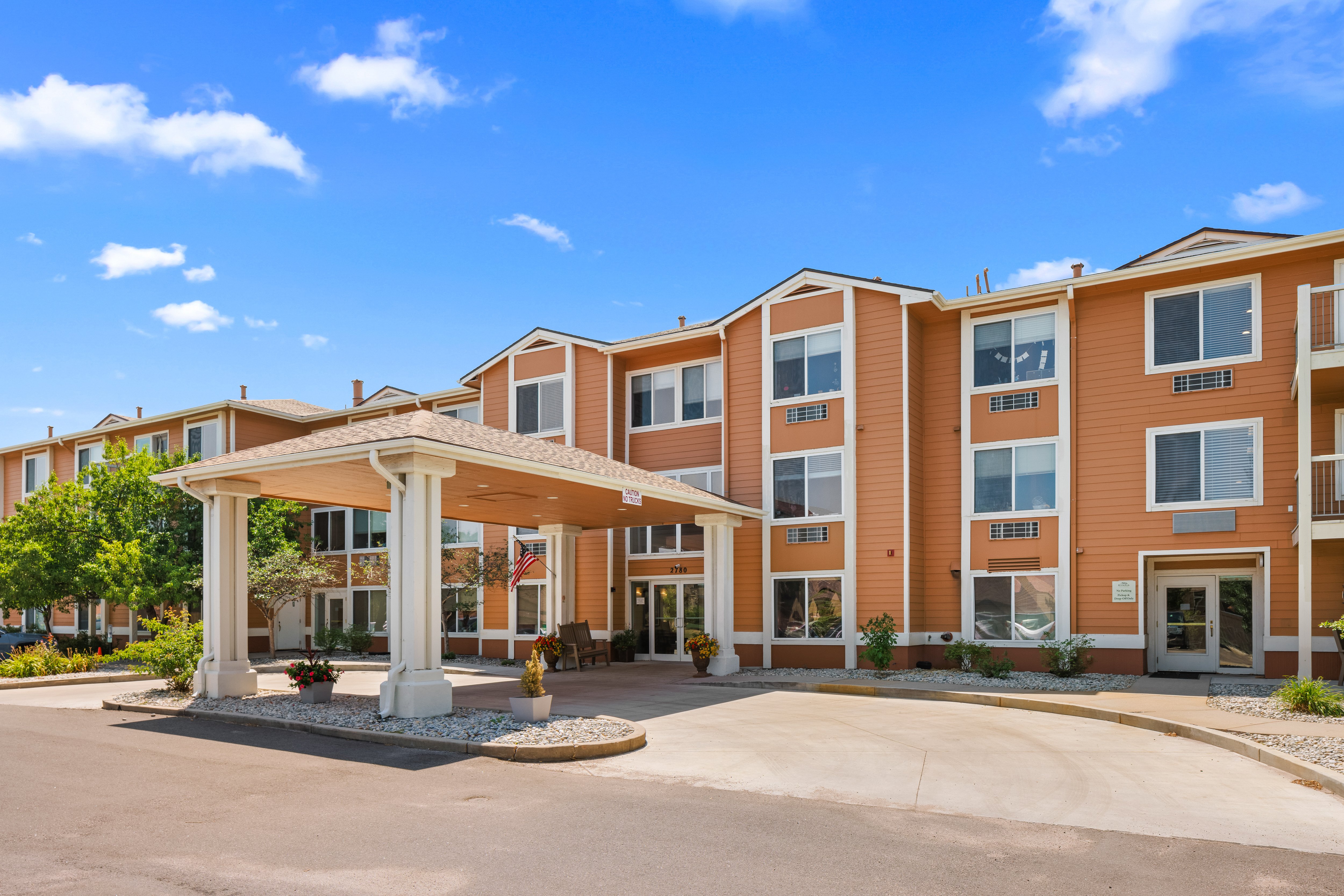
If several of these signs sound familiar, it may be time to look at what a community can offer. Rivaria Vista Grande provides Assisted Living in the Vista Grande neighborhood of Colorado Springs, CO, with newly remodeled common areas and support that’s there throughout the day, not just by appointment. Schedule a personalized tour to see the community and talk through your parent’s needs.